


There is a kind of learning that doesn’t translate well to screens.
It shows up in pauses between sessions.
In questions that surface only after listening to others think out loud.
In watching how experienced clinicians weigh uncertainty, not just outcomes.
The 2026 Regenerative Therapies Summit was designed with this in mind.
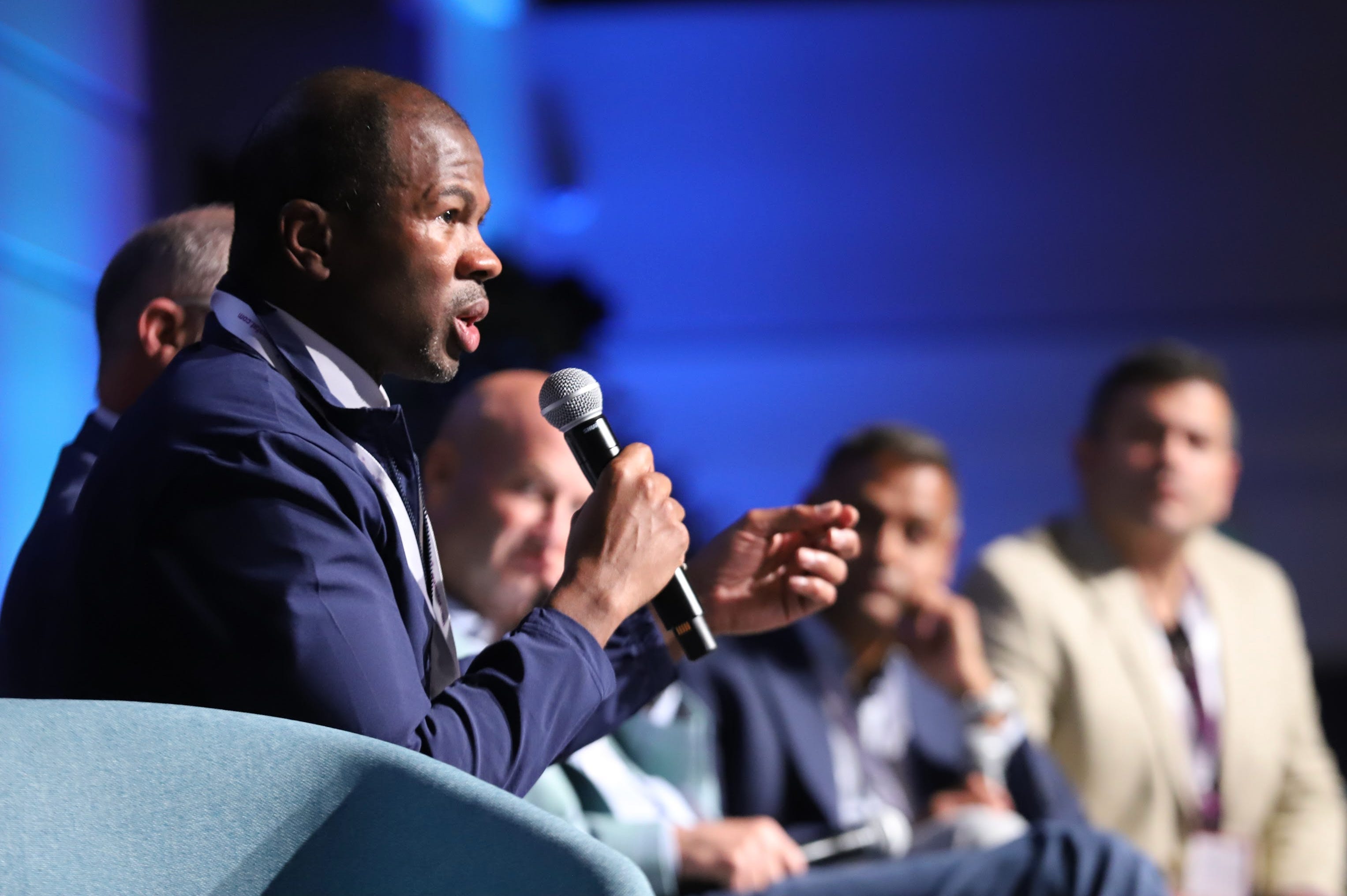
What Gets Lost in Digital Translation
Research papers, webinars, and online education remain essential tools for staying current. They deliver information efficiently. They’re accessible. They scale well.
But they often strip away the context in which clinical judgment is actually formed.
The published protocol doesn’t reveal the three alternatives the authors considered and discarded. The recorded lecture doesn’t capture the faculty member’s hesitation before answering a question - that brief pause that signals nuance. The case report smooths over the messy decision-making process that characterized the actual treatment.
What gets lost is not the what, but the how and the why.
In-person learning restores that context. It lets you see the thinking, not just the conclusion.
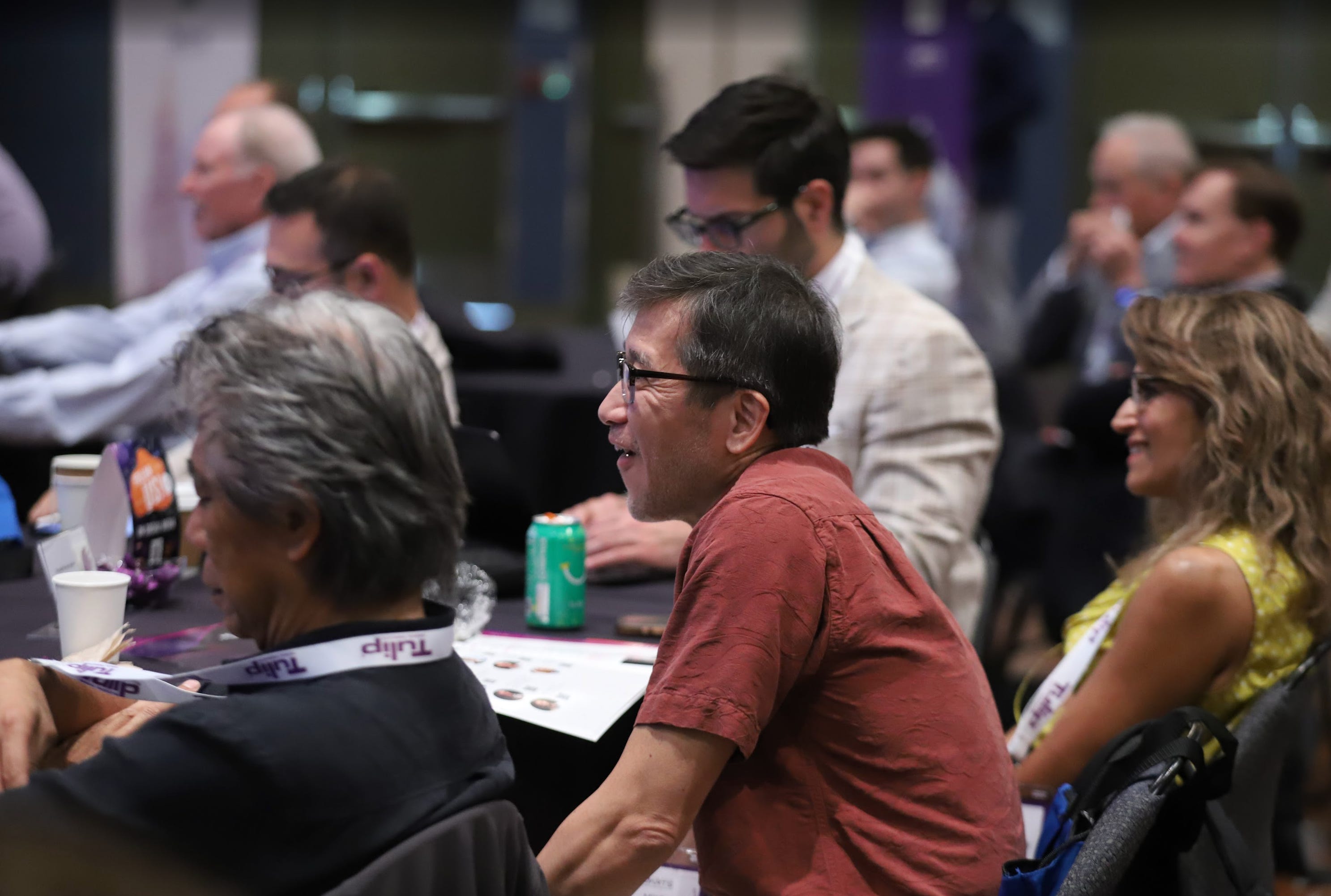
The Value of Shared Space
At the Regenerative Therapies Summit, clinicians don’t just hear what works - they hear why decisions were made, what alternatives were considered, and how experience reshapes thinking over time.
This isn’t about charisma or performance. It’s about access to the kind of professional reasoning that develops over years - the pattern recognition, the mental models, the calibrated sense of when to push forward and when to reconsider.
Some of the most valuable moments happen:
• During panel discussions where perspectives diverge - not as conflict, but as different valid approaches shaped by different clinical contexts
• In conversations across specialties - when an aesthetics physician’s approach to tissue quality intersects with an orthopedic surgeon’s understanding of healing, or a pain management specialist reframes a treatment sequence
• When faculty explain not only what they do now, but what they used to do and why they changed - the evolution of a clinical practice over time
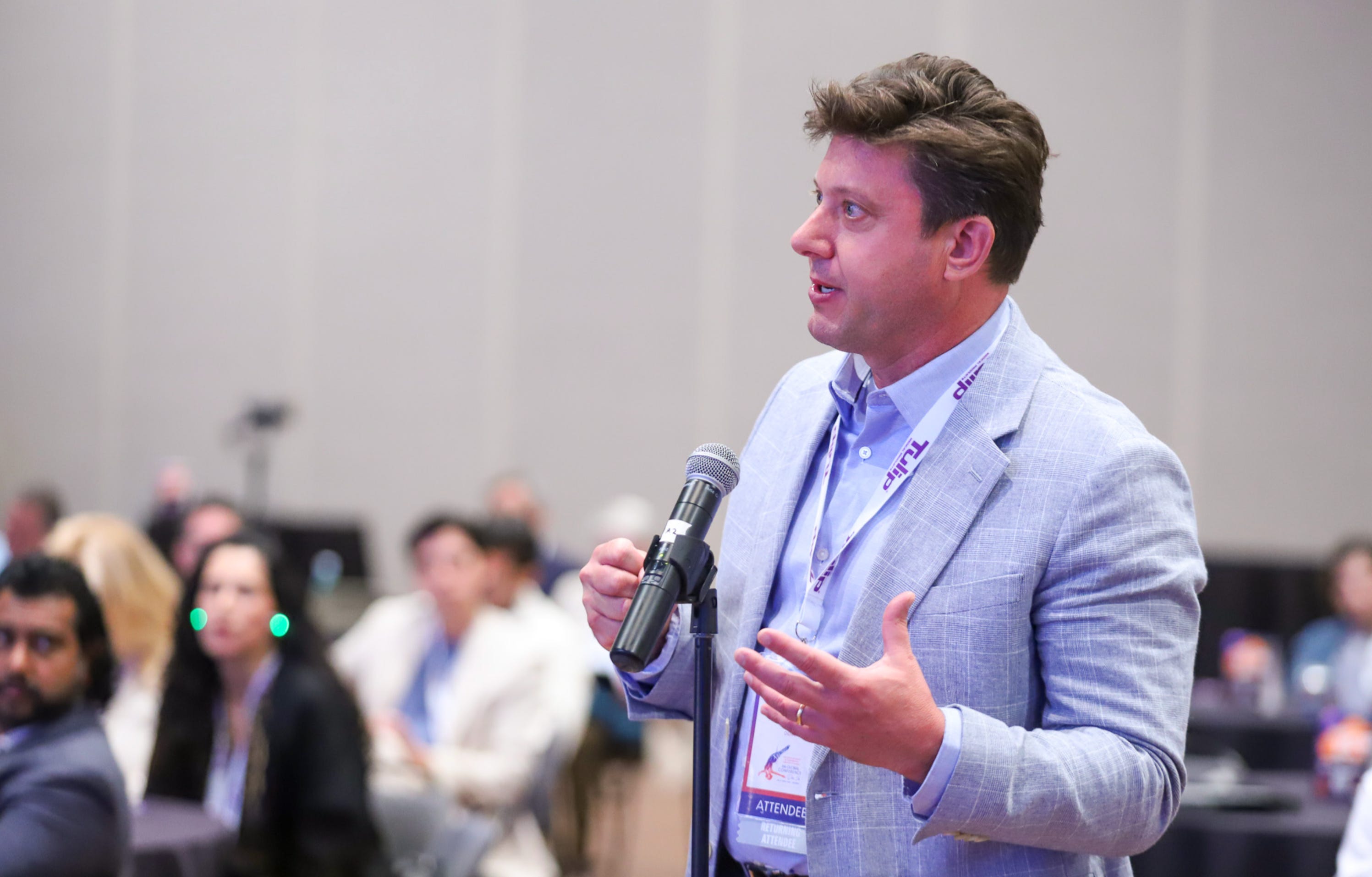
• In the questions other attendees ask that you hadn’t thought to ask, revealing dimensions of a problem you hadn’t considered
These exchanges don’t happen in isolation. They build on each other. A question raised in one session resurfaces in the next, refined. An observation made during a demonstration connects to a concept discussed earlier. The learning compounds.
Multiple Pathways to Learning
For some attendees, hands-on cadaver labs offer an additional layer of application - the opportunity to develop technical confidence under expert guidance, to troubleshoot in real-time, to feel the difference between description and execution.
For others, the value lies in observation, dialogue, and reflection. In watching experienced practitioners work. In hearing the reasoning behind technical choices. In having space to think through how these approaches might or might not fit their own practice context.
Both paths are valid. Both are intentional.
The Summit is structured to support different learning styles and professional needs. Some clinicians come ready to practice new techniques. Others come to deepen their theoretical understanding. Many come simply to calibrate their clinical judgment against others working in the same space.
What unites these different approaches is a shared commitment to discernment - to developing the capacity to make better clinical decisions, not just learn more techniques.
Designed for Discernment, Not Decisions
The Summit is not built to rush you into decisions or sell you on techniques.
It’s built to support discernment - the gradual development of clinical wisdom that comes from exposure to excellent thinking, honest discussion of uncertainty, and time to integrate what you’re learning.
This matters in regenerative medicine, where the evidence base is still developing, where patient presentations vary widely, where technique selection requires weighing multiple factors that don’t always point in the same direction.
The field needs clinicians who can think well, not just practitioners who can execute protocols. The Summit is designed to develop that capacity.
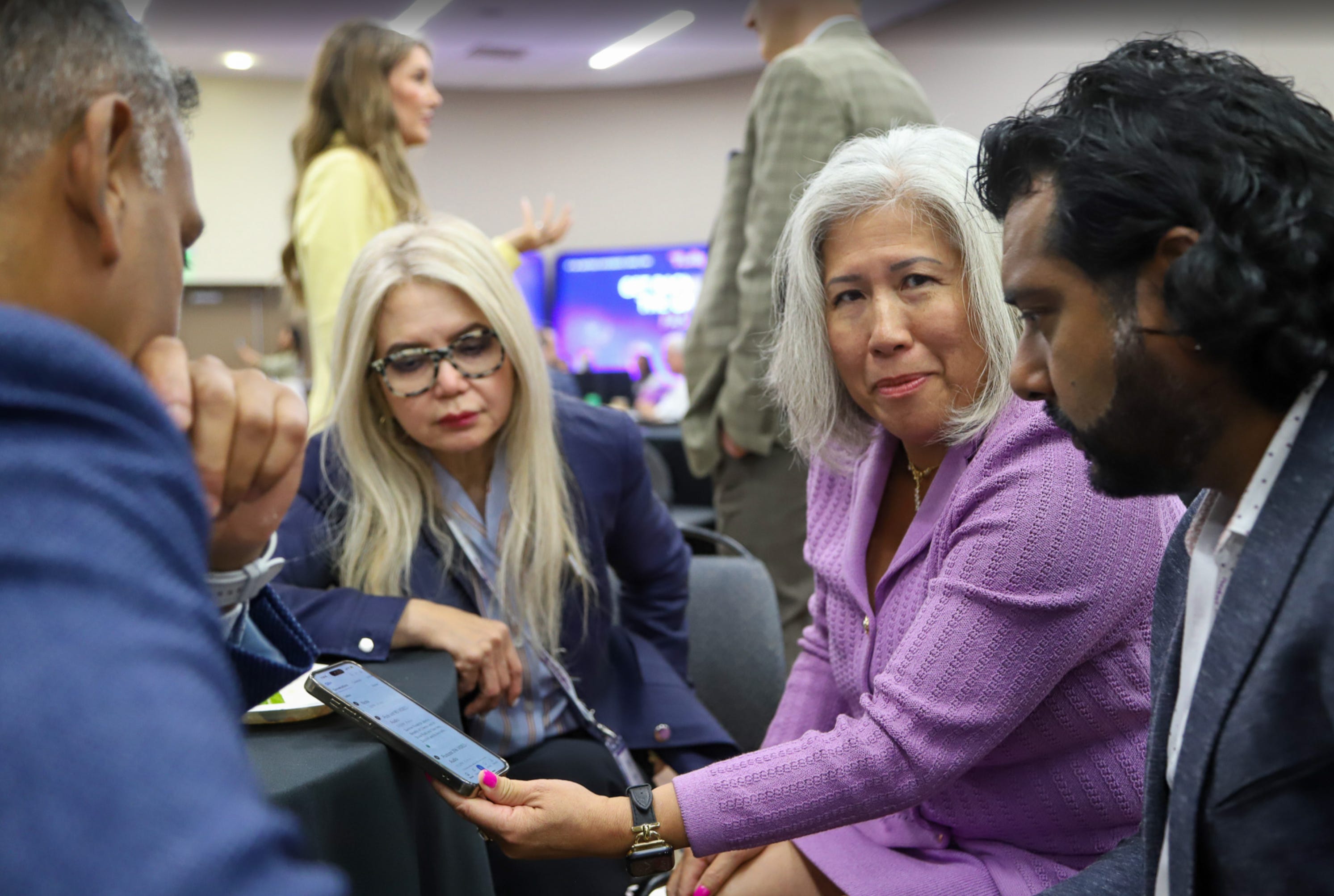
Why Being in the Room Still Matters
Professional development doesn’t happen in a single weekend. One summit doesn’t make you an expert.
But it can shift your frame of reference. It can introduce you to ways of thinking about problems you’ll carry forward. It can connect you with colleagues whose approaches will continue to inform yours. It can surface blind spots in your current practice that deserve attention.
These kinds of shifts require presence. They require attention. They require the kind of sustained, immersive engagement that’s difficult to achieve through a screen.
Digital education will continue to expand and improve. Remote learning serves essential functions. But certain kinds of professional formation still benefit from shared physical space, from the unplanned conversations, from the ability to read a room and adjust your questions accordingly.
That kind of learning still benefits from being in the room.
What Past Attendees Say
“This summit is one of the best meetings that you can go to if you’re in an early stage of implementing fat into your practice. I strongly recommend younger surgeons to come to this meeting so they can learn more about how to utilize the technology, how to integrate it into their practice, and to understand the biology behind what they’re doing.”
– Daniel Gould, MD, PhD | Plastic Surgeon | Beverly Hills, California
“If you’re looking to add biologics to your practice or want to better harness the power of adipose, this conference is ideal. Whether you’re a plastic surgeon, orthopedic surgeon, or non-operative musculoskeletal physician, it will help you become more comfortable incorporating biologics, understanding when, how, and how much to use.”
– Kristin Oliver, MD, MPH | Regenerative Orthopedics | St. Louis, Missouri
“This conference is one of my favorites because it brings together various specialties and evolving knowledge on fat usage. It combines basic science, orthopedics, plastic surgery, pain management, and urogenital topics, allowing for the exchange of ideas to enhance how we use fat in our practices, which ultimately makes us even better.”
– Ziv Peled, MD | Migraine & Peripheral Nerve Surgeon | San Francisco, California
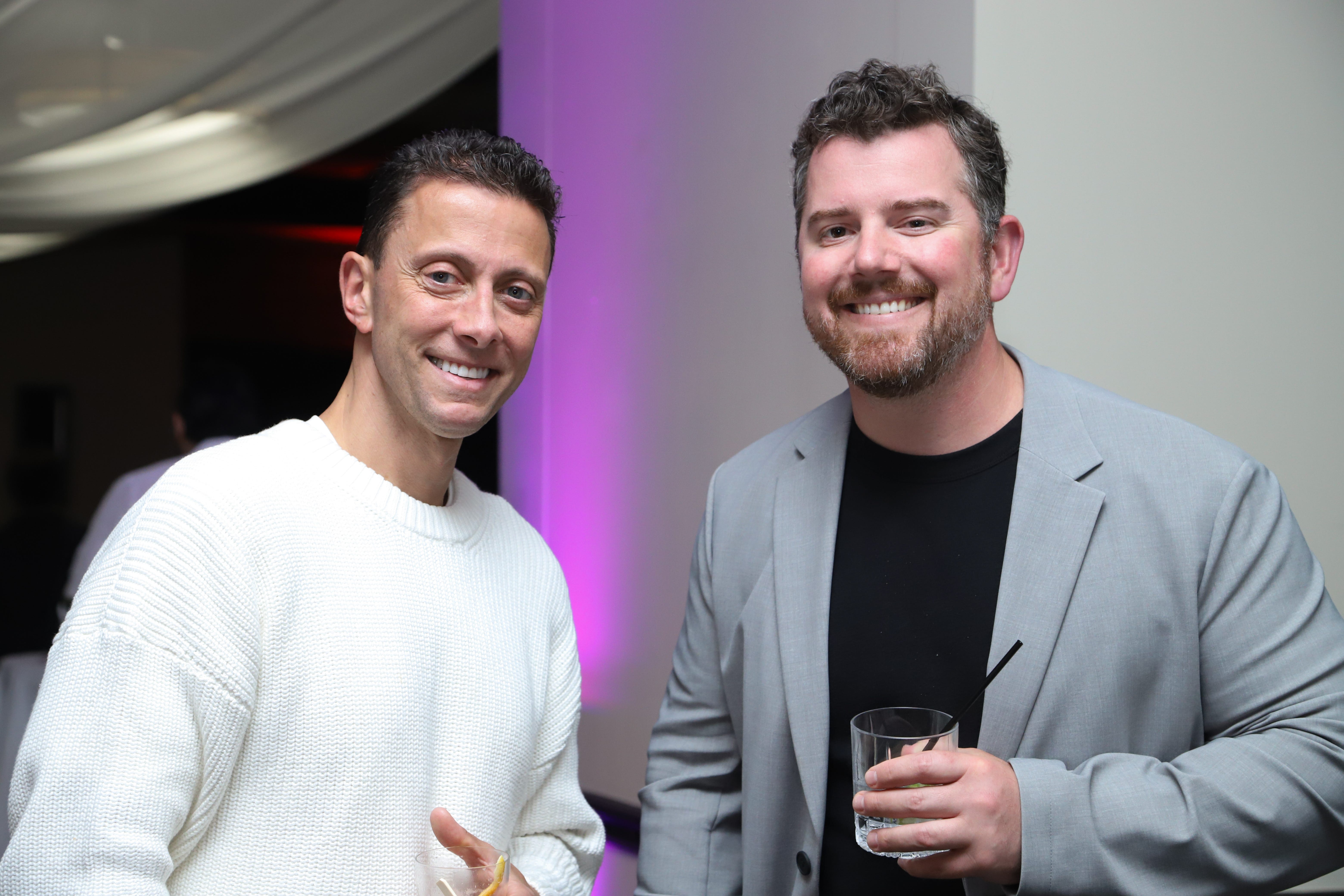
Hear From Attendees
Watch clinicians share their experience at the Regenerative Therapies Summit:
Join Us
The 2026 Regenerative Therapies Summit takes place July 31–August 2 at the Hilton La Jolla Torrey Pines.
Registration and program details: www.sdarts.com/summit
~
Marcille Pilkington
Founder, ARTS
Publisher, The Regenerative Current
Excited for the SDARTS community gathering in the stunning Torrey Pines setting. Truly regenerative on so many levels.