


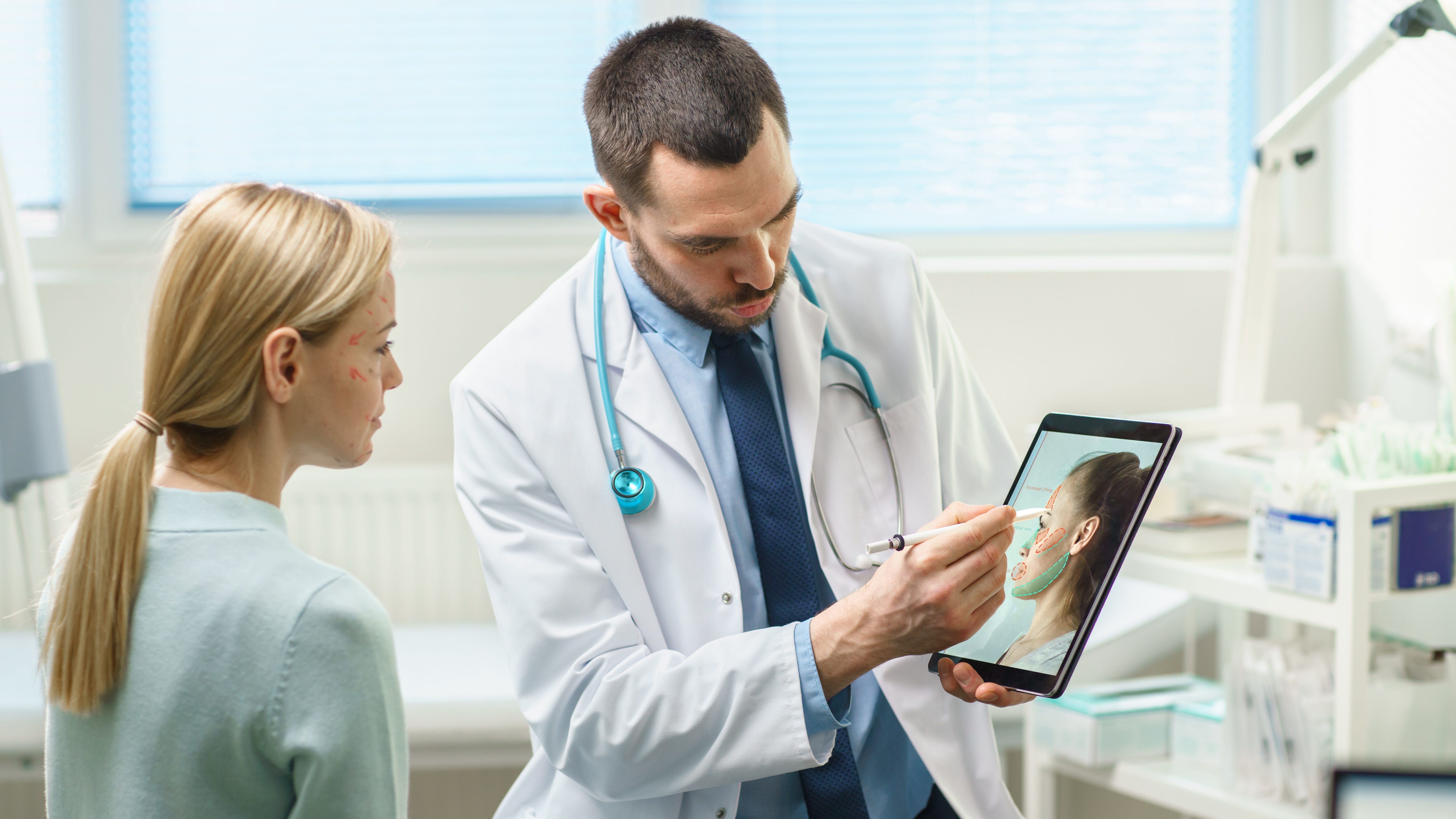
Over the past three years, I’ve heard several surgeons say something interesting. Before performing certain facelifts, they now insist on dissolving fillers first — not because the fillers failed, but because the tissue sometimes no longer behaves like normal tissue.
That observation has sparked a broader conversation about how different therapies influence the biology of tissue itself.
A recent industry article suggested that 2026 may be the year regenerative therapies move from niche curiosity into mainstream clinical practice.
For those of us who have been working in this field for the past decade, that observation feels less surprising — and more like a natural turning point.
Over the last several years, something has been changing across multiple specialties:
Plastic surgery.
Sports medicine.
Dermatology.
Orthopedics.
Pain management.
Wound care.
Post-radiation rehabilitation.
Integrative Medicine
Regenerative therapies are no longer being explored only by early adopters.
They are entering the broader clinical conversation.
Not because of one breakthrough, but because of a convergence:
• Growing patient demand for biological solutions
• Increasing clinical evidence
• Broader understanding of regenerative mechanisms
• Physicians seeking structured training and integration frameworks
• Regulatory clarity is slowly emerging
This is not a moment of hype. It is a moment of definition.
Patient Demand Is Shifting
Many of my physician friends tell me patients are not just asking for cosmetic results anymore. They’re asking about restoration.
They want:
• durability
• biological healing
• functional improvement
• holistic outcomes
Injectables, once framed purely as cosmetic enhancements, are now part of broader conversations about tissue health.
Joint replacement used to be the inevitable next step in orthopedic degeneration.
Today, injectable biologics are part of the discussion around joint restoration.
Even in oncologic recovery — where post-radiation fibrosis and loss of function were long considered unavoidable — clinicians are beginning to observe something different.
A conversation I recently had with a head and neck oncologist revealed how online patient communities are sharing experiences of nanofat injections improving pain and restoring tissue function, and they are exchanging information on the doctors who practice these therapies.
Why Practitioners Are Ready — But Not Prepared
Many clinicians sense this shift. They want to incorporate regenerative therapies into their practices. But most face the same challenges:
• lack of structured curriculum
• limited clinical protocols
• uncertainty around regulatory boundaries
• questions about practice integration
• unclear business models
In other words, the interest is there. The infrastructure for responsible adoption is still developing.
The Role ARTS Has Been Building
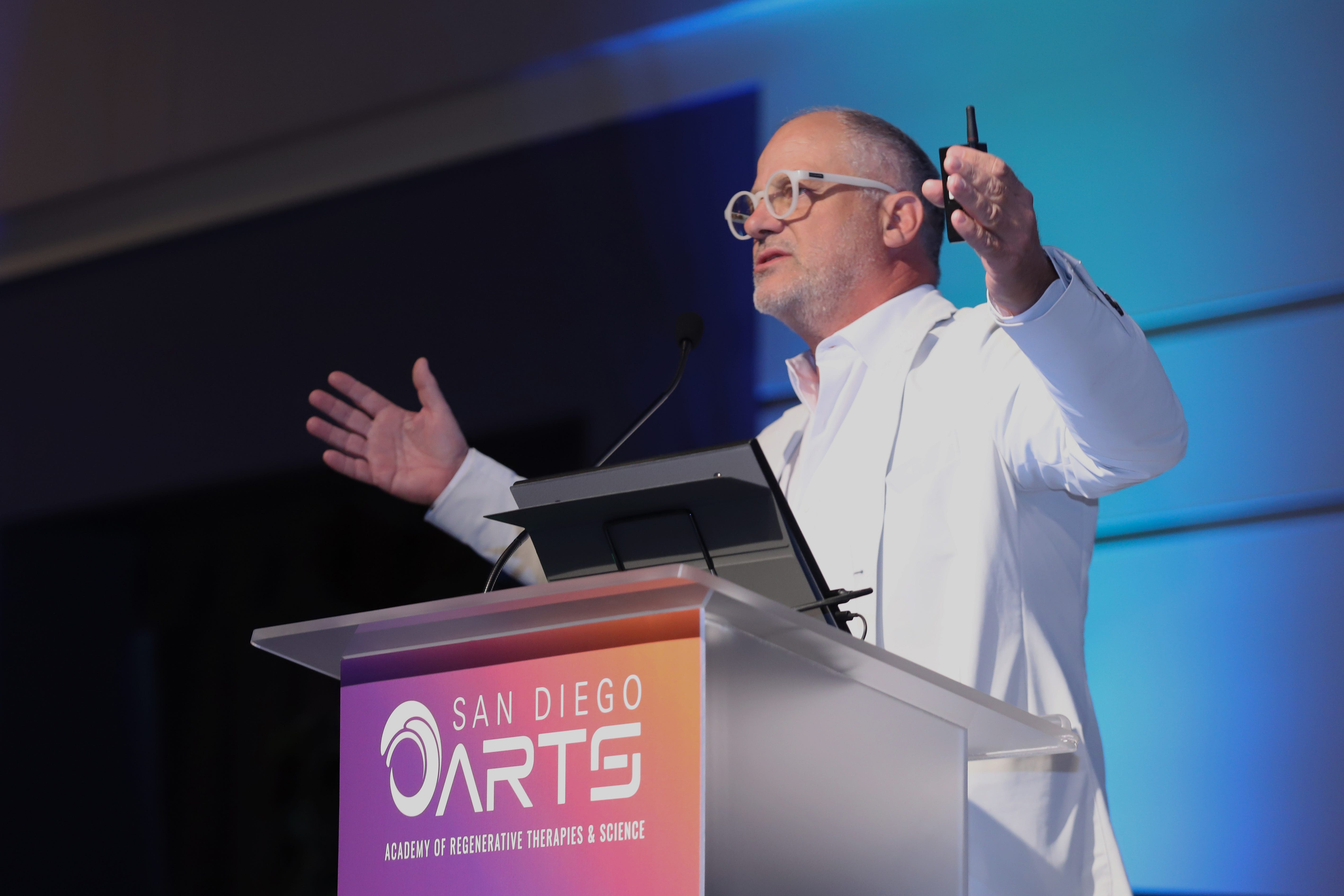
When I founded the San Diego Academy of Regenerative Therapies & Science (ARTS) nearly ten years ago, regenerative therapies were still viewed by many as experimental.
There were early pioneers.
There were skeptics.
And there were clinicians quietly exploring how biology could support tissue restoration beyond traditional approaches.
Over the past decade, I’ve focused ARTS on one goal:
helping physicians integrate regenerative therapies responsibly into real clinical practice.
Not as isolated techniques, but as part of a structured model of care.
Just as importantly, we have begun clarifying the language of regenerative therapies itself. Because one of the challenges in this emerging field is that the word regenerative is often used very loosely.
In reality, tissues respond to intervention in different biological ways.
Some therapies aim to restore the natural tissue environment.
Others stimulate remodeling.
Others stabilize tissue through fibrotic repair.
The real question is no longer simply which treatment we use. The real question is:
What biological response are we asking tissue to produce?
Regeneration restores the tissue niche.
Scar formation stabilizes injury.
Both are biological responses — but they are not the same.
Understanding these biological responses helps practitioners make clearer decisions — and communicate more honestly with patients.
As the field matures, language clarity becomes increasingly important.
Why 2026 Feels Like a Pivot Year
If regenerative medicine is entering a new phase of clinical adoption, practitioners face an important choice. They can continue observing from the sidelines. Or they can begin developing the knowledge and infrastructure needed to integrate regenerative therapies thoughtfully into their practices.
This is not about chasing a trend. It is about preparing for a structural shift in how medicine approaches tissue healing and restoration.
A Place for the Conversation
Every summer, ARTS brings together practitioners and specialists from multiple specialties and professional practices to explore the practical realities of regenerative therapies.
This year’s Regenerative Therapies Summit takes place July 30 – August 2 in San Diego.
Rather than introducing regenerative therapies as a concept, the Summit focuses on something more practical:
how to integrate regenerative therapies responsibly into clinical practice.
Protocols.
Practice architecture.
Regulatory clarity.
Clinical observation.
If 2026 truly marks a turning point in regenerative medicine, this Summit arrives at an interesting moment. Not to launch a trend. But to help define what this field becomes.
Who This Summit Is For
This meeting tends to attract practitioners who fall into one of three groups.
1. Some are already practicing regenerative therapies and want to refine their protocols through collaboration with experienced peers.
2. Others are actively evaluating how regenerative medicine could fit into their practices and are looking for structured training and integration frameworks.
3. And some are simply curious about the biological shift happening across medicine — the growing recognition that many treatments relieve symptoms, but do not necessarily restore tissue health.
If you find yourself asking questions about where regenerative therapies fit within modern medical practice, you will likely find colleagues here asking the same questions.

Invitation
If you are a practitioner who:
already uses regenerative therapies
wants to integrate them more safely and effectively
wants to build a biologically-driven service line
wants to participate in shaping this emerging field
Then this may be the right moment to join us at the beautiful Hilton Torrey Pines overlooking the legendary Torrey Pines Golf Course and the Pacific Ocean.
More information about the ARTS Regenerative Therapies Summit can be found here:
The next decade of medicine may be defined not by what we remove or replace — but by what we learn to restore.
~Marcille Pilkington
Thoughtful perspective on the evolution of regenerative medicine and the conversations physicians are having across specialties. Excited to see these discussions continue at ARTS this summer.