


Over the past few years, I’ve been noticing a consistent shift in my conversations with clinicians across specialties.
Plastic surgeons
Dermatologists
Orthopedic Surgeons
Oculoplastic Surgeons
Pain Management
PM&R
Sports Medicine
The language of regenerative therapies is changing—but not always clearly
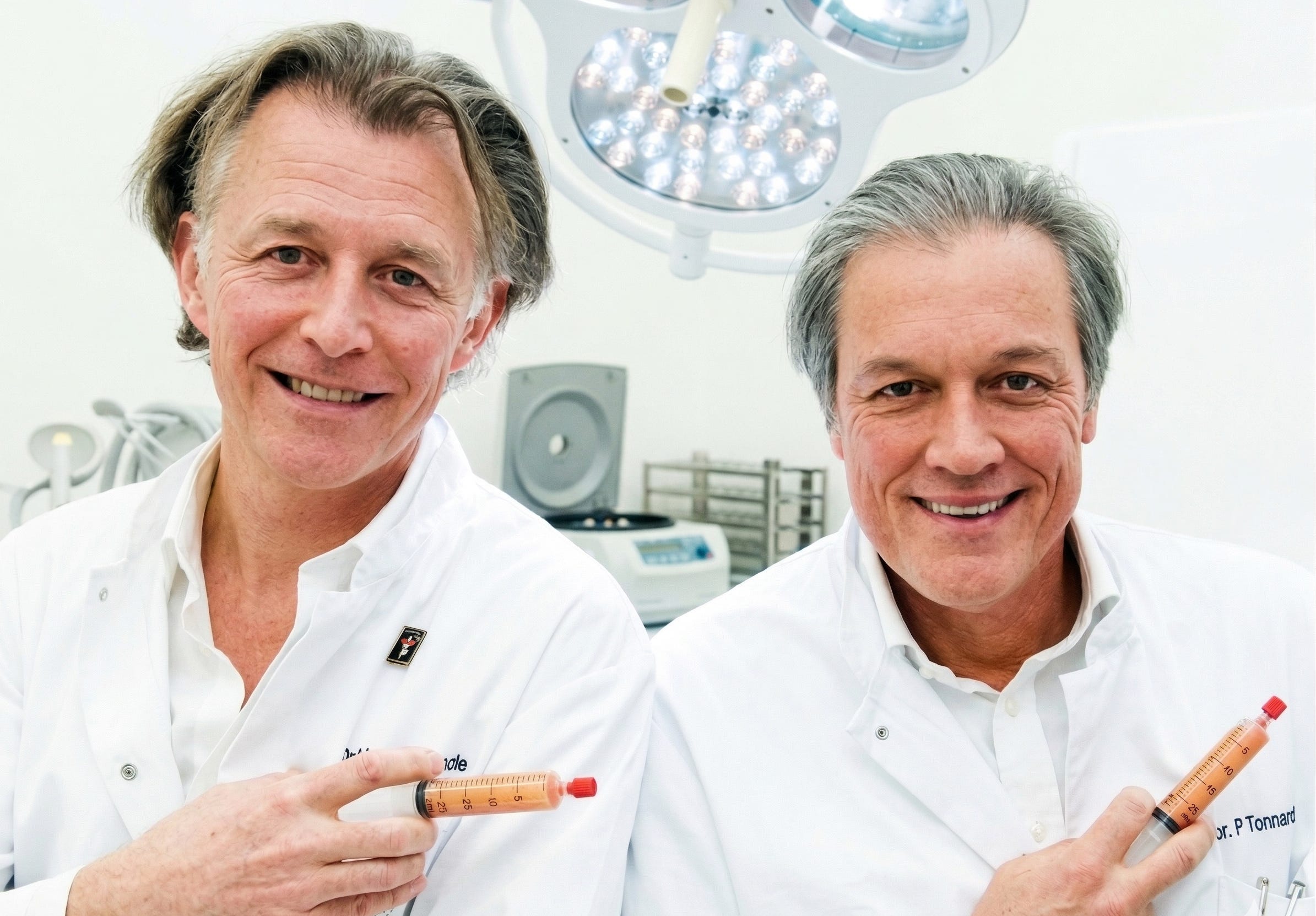
Recently, Drs. Patrick Tonnard and Alexis Verpaele shared a letter submitted to Aesthetic Surgery Journal that put words to something many of us have been sensing.
The authors raised an important concern:
Are we using the word “regeneration” too loosely?
They made a clear distinction:
Regeneration restores tissue to its original structure and function—without scar
Repair stabilizes tissue through fibrosis and remodeling
Both are natural. Both have clinical value—but they are not interchangeable.
What struck me wasn’t just the letter itself. It was how closely it reflects what I’ve been hearing in my conversations. Across different specialties, clinicians are describing similar patterns:
• Facial tissue that no longer behaves predictably after repeated filler use
• Chronic tendon injuries that improve symptomatically, but not structurally
• Post-radiation tissue that stabilizes—but does not restore function
• Joint pain treated successfully in the short term, while underlying degeneration continues
The tissue is still there. But it behaves differently.
As an example, in orthopedics, corticosteroid injections are widely used to reduce pain. They work. But we also know—from both literature and clinical observation—that repeated exposure can contribute to cartilage degeneration over time.
So the intervention is effective, but not regenerative. It is influencing the tissue toward a different biological response.
Recently, much of medicine—and especially aesthetics—has been organized around “regeneration” delivered under the name of:
An injectable product
An energy device
An implantable product
But a different question is now being asked:
What biological response are we actually asking the tissue to produce?
Because not everything that stimulates tissue is regenerative. And not every visible improvement reflects restoration of native tissue.
If 2026 is, as many are suggesting, the year regenerative tissue therapies move into the mainstream, then this distinction becomes more than academic. It becomes practical.
Because as adoption increases:
• patient expectations increase
• clinical outcomes are compared more closely
• long-term tissue behavior becomes more visible
Language begins to matter as a reflection of biological reality.
This isn’t about labeling treatments as good or bad. Scar formation is not failure.
Fibrotic stabilization is not wrong. Remodeling can be clinically valuable.
But they are different outcomes. And understanding those differences allows for:
• clearer clinical decision-making
• more honest patient communication
• better long-term treatment planning
What I am beginning to see is a shift from “regenerative” treatments to tissue response mechanisms; from product or device selection to biological intention. This shift doesn’t eliminate existing therapies. It puts them in context.
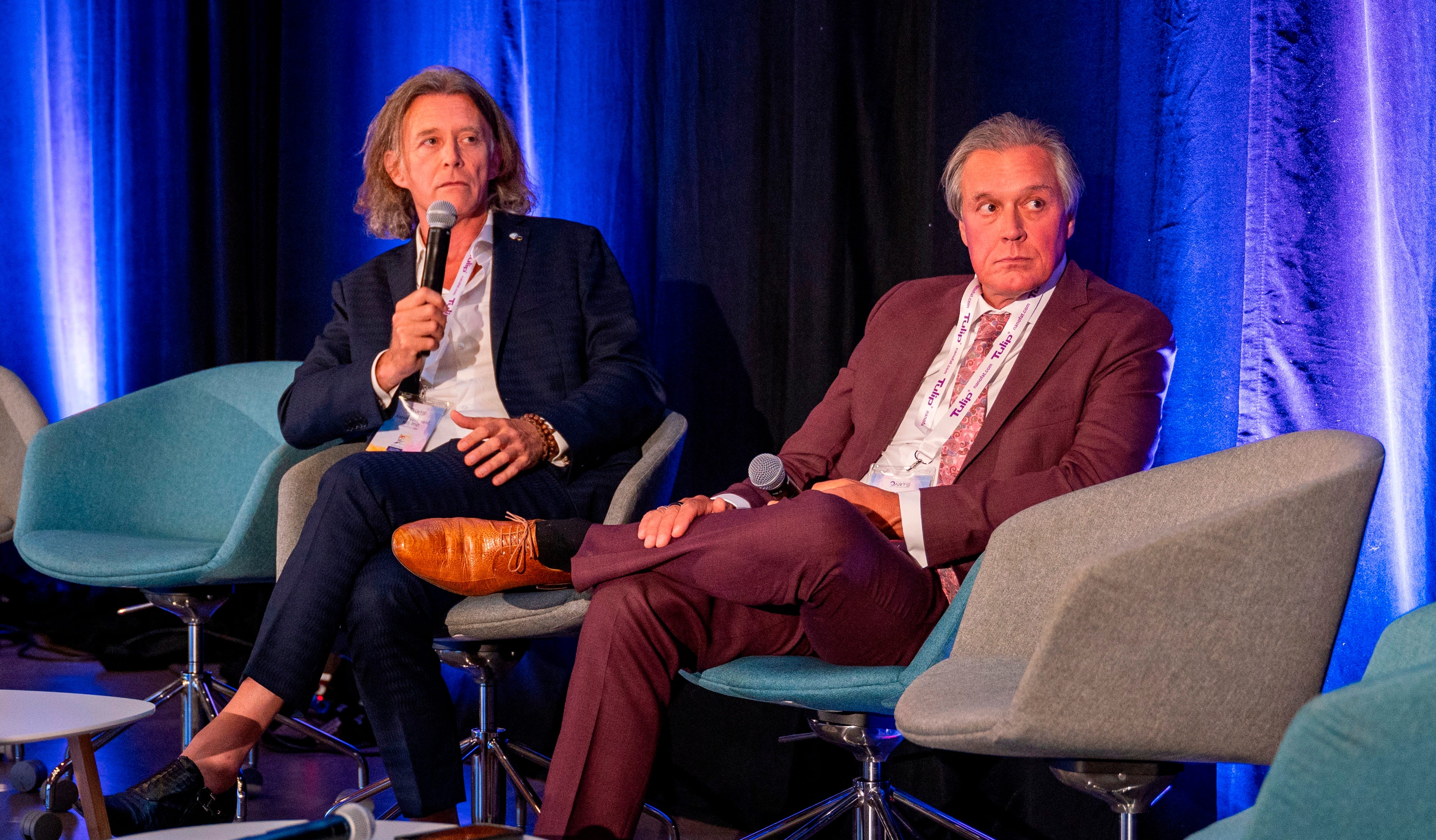
At ARTS, this is the conversation we’ve been having with clinicians. Not defining which treatments are “regenerative,” but clarifying what they are actually doing within the tissue.
Over the past year, we’ve begun developing a simple way to map tissue responses across a continuum:
From restoration
To remodeling
To stabilization
This is not rigid classification. We’re building a practical framework to help clinicians navigate an increasingly complex field. We’ll begin sharing more of this at the upcoming ARTS Summit.
The field of regenerative tissue therapies is not just expanding. It is defining itself as any new segment of medicine must. And in that process, one thing is becoming clear: Clarity of language may matter as much as the therapies themselves.
In the end, the question isn’t what we call a treatment—it’s what the tissue is actually becoming because of it.
This is such an important conversation.
As the field evolves, clarity around terminology - and the biological response treatments actually induce - becomes essential for both clinical decision-making and patient communication.
Grateful to see this being articulated so clearly, and excited to bring this forward as a core discussion at ARTS 2026.